Designing with Personality: The Saphira Script Typeface
In the world of digital design, typography is often the silent hero of a project. While images capture attention, the choice of typeface sets the emotional tone and guides the viewer's experience. Finding a premium font that balances artistic flair with practical legibility can be a challenge. Enter Saphira Script, a modern script font that brings a distinct, organic energy to any creative endeavor. It is not just another handwritten font; it is a carefully crafted tool designed to infuse projects with a sense of authenticity and contemporary style.
The Visual Character: More Than Just Curves
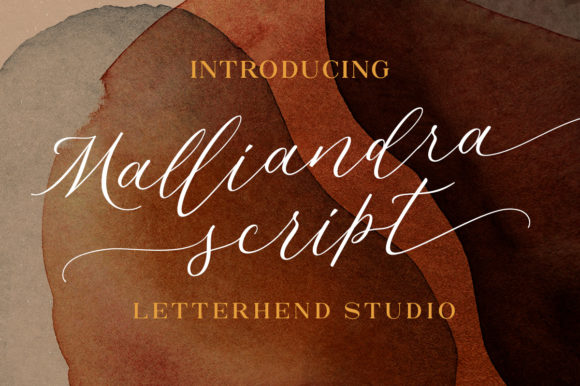
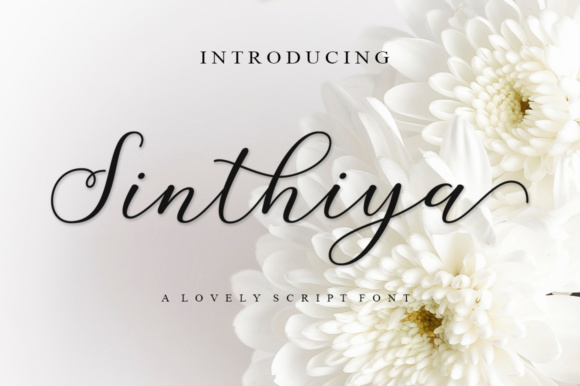
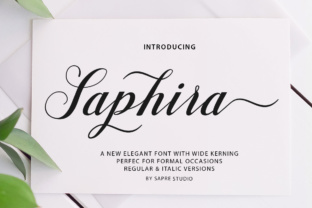
At first glance, Saphira Script captures the eye with its flowing, connected letterforms. However, its true character lies in the details. The defining feature of this display font is its irregular baseline. Unlike rigid, mechanical scripts that sit perfectly on a straight line, the letters in Saphira Script dance slightly above and below the baseline. This intentional imperfection is what gives the font its human touch. It mimics the natural variations found in actual handwriting, where pressure and speed create subtle shifts in height and spacing.
The overall aesthetic is decidedly trendy and feminine, yet it avoids being overly ornate or difficult to read. The strokes have a modern fluidity, suggesting a brush or a soft-tipped pen. This creates a visual rhythm that feels organic rather than forced. For designers working on brand identity, this level of detail is crucial. It allows a logo or header to feel personal and bespoke, setting a brand apart from competitors using generic, overused system fonts. It strikes a balance between the casual nature of a handwritten font and the polish required for professional logo design.
Strategic Applications: From Invitations to Web Design
Understanding where to deploy a creative font like Saphira Script is key to maximizing its impact. Because of its stylistic nature, it functions best as an accent rather than a workhorse for long-form text. It shines brightest in contexts where emotion and personality need to take center stage.
In the realm of print design, the applications are vast. It is an exceptional choice for wedding invitations, where the romantic, flowing lines evoke elegance and celebration. Similarly, thank you cards, greeting cards, and stationery benefit from its warm, personal vibe. For packaging design, particularly in the beauty, fashion, or artisanal food sectors, Saphira Script can elevate a label, making a product feel handcrafted and premium.
Digital creators will also find immense value in this typeface. For social media graphics, where stopping the scroll is paramount, the irregular baseline and bold personality of Saphira Script make headlines pop. It is perfect for Instagram posts, Pinterest pins, and story overlays where short, impactful text is needed. In editorial design and publishing, it works beautifully for pull quotes, chapter titles, or magazine headers, adding a touch of flair to layouts dominated by standard serif fonts or sans serif fonts.
Mastering the Pairing: Building Visual Hierarchy
One of the most common pitfalls in modern typography is using a script font for everything. While Saphira Script is highly legible for a display face, it is not designed for body copy. To create a professional and readable layout, you must pair it with a complementary typeface. This is where font pairing becomes an essential skill for any designer or content creator.
Because Saphira Script has a high personality quotient, it pairs best with clean, neutral fonts. A geometric sans serif font is often an ideal companion. The simplicity of the sans serif allows the script to stand out without competing for attention. For example, using Saphira Script for a main headline and a clean sans serif for sub-headers or body text creates a clear visual hierarchy. This guides the reader's eye naturally from the expressive title to the informative content.
Alternatively, pairing it with a classic serif font can create a more traditional, elegant look, suitable for high-end branding or formal event materials. The key is contrast. You want the two fonts to be distinct enough that they don't clash, but similar enough in weight or mood to feel cohesive. Testing these combinations in your specific layout is vital before finalizing a design.
Practical Considerations: Licensing and Legibility
When integrating Saphira Script into your workflow, practical considerations matter. As a commercial font, it typically comes with a license that dictates how it can be used. If you are a small business owner using the font for a logo, or a publisher using it in a book cover, ensure your license covers commercial use. Most design assets marketplaces are clear about these terms, but it is always the designer's responsibility to verify usage rights.
Legibility checks are also non-negotiable. While the irregular baseline adds charm, it can occasionally cause issues with specific letter combinations. Always type out the actual words you intend to use. Check how the font handles common ligatures or tricky pairings like "oo," "bb," or "ty." Saphira Script is designed with flow in mind, but context is everything. A word that looks great in a logo might look different in a long quote. Zoom in, check the kerning, and ensure the message is instantly readable to your target audience.
Ultimately, Saphira Script is a powerful addition to any designer's toolkit. It bridges the gap between the raw appeal of handwriting and the refinement required for professional web design and print. By using it strategically for accents, headlines, and branding elements, you can leverage its trendy, feminine energy to create designs that feel both current and timeless. Whether you are a blogger looking to refresh your site headers or a marketer crafting a campaign, this font offers the flexibility and style needed to make your work stand out. It proves that in the right hands, a modern typography choice can transform a simple layout into a memorable visual experience.