Lilytulip Script: A Guide to This Elegant Typeface
Understanding the Visual Character of Lilytulip Script
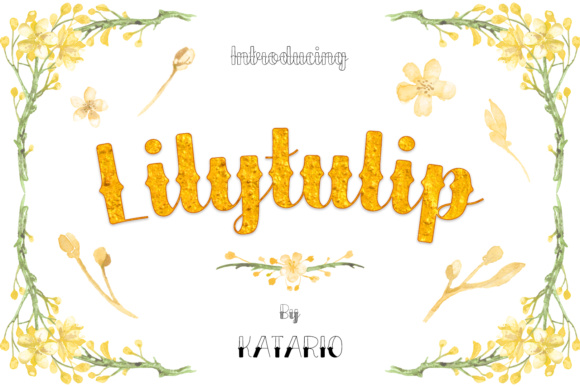
When you first encounter Lilytulip Script, its name alone conjures a specific image: something floral, delicate, and distinctly personal. This premium font delivers on that promise. It is a script font that walks a fine line between the organic flow of a handwritten font and the structured elegance of traditional calligraphy. Unlike many digital scripts that feel overly rigid or, conversely, too messy, Lilytulip maintains a sophisticated rhythm. The letterforms feature smooth, flowing connections and a gentle slant that mimics natural penmanship without sacrificing legibility.
The personality of this typeface is undeniably romantic and vintage, yet it feels fresh enough for modern typography. It carries a sense of warmth and approachability, making it an excellent tool for designers who want to inject humanity into their work. It doesn't scream for attention with loud, exaggerated swashes; instead, it draws the viewer in with a quiet confidence. The terminals (the ends of the strokes) often taper gracefully, giving the text a light, airy feel that works beautifully on both light and dark backgrounds. For anyone seeking a creative font that feels bespoke rather than mass-produced, this typeface offers a compelling solution.
Strategic Applications: Where Lilytulip Script Shines
The versatility of Lilytulip Script is one of its strongest assets. In brand identity, a font choice sets the emotional tone before a customer reads a single word of copy. Because this typeface balances vintage charm with readability, it is particularly effective for brands in the lifestyle, beauty, artisanal food, and wedding sectors. Imagine a small-batch candle company or a boutique florist; the Lilytulip Script would immediately communicate the care and quality put into their products.
In editorial design and packaging design, this font serves as a powerful display font. It captures attention on magazine covers, pull quotes, or product labels. However, its utility extends far beyond print. For web design and social media graphics, using Lilytulip Script for headers or accent text can break the monotony of standard sans serif font and serif font pairings. It adds a layer of visual interest to Instagram stories, Pinterest pins, and website hero sections. For entrepreneurs and content creators, using a distinct font like this helps establish a recognizable visual signature across platforms, which is crucial for building a loyal audience.
The Impact on Hierarchy and Brand Perception
Typography is rarely just about decoration; it is a functional tool for guiding the reader’s eye. Lilytulip Script excels at creating a strong visual hierarchy. When paired with a clean, geometric sans-serif for body text, the script font naturally draws the eye to headlines, sub-headers, and calls to action. This contrast is a fundamental principle of font pairing. The organic shapes of the script juxtaposed against the rigid lines of a sans-serif create a dynamic tension that feels professional and intentional.
Using a premium font like this also influences how your brand is perceived. There is a subconscious association between high-quality design assets and the quality of the service or product being offered. If your marketing materials look polished and cohesive, potential clients are more likely to trust your expertise. Lilytulip Script helps bridge the gap between a personal touch and commercial professionalism. It signals that a business values aesthetics and attention to detail—qualities that resonate deeply with consumers in the 20–50 age demographic who are often discerning shoppers and readers.
Practical Guide to Implementation and Pairing
Integrating a new typeface into your workflow requires more than just installation; it requires strategy. Here is how to get the most out of Lilytulip Script:
- Evaluate the Context: Before applying the font, consider the medium. While it is legible at moderate sizes, it is best used as a display font rather than for long paragraphs of body copy. Use it for headlines on a blog post or a hero text on a landing page.
- Master the Pairing: To let Lilytulip shine, it needs a quiet partner. A neutral sans serif font like Montserrat or a traditional serif font like Garamond usually works well. The goal is to avoid visual competition. If the headline is expressive and swashy, the body text should be structured and calm.
- Check the License: Always verify the licensing terms. If you are creating assets for a client or selling products with the font embedded (like on a T-shirt or mug), you will likely need a commercial font license. Ensure your usage rights cover print-on-demand and digital distribution to avoid legal issues later.
- Test for Readability: Pay attention to letter spacing (tracking) and line height (leading). Script fonts often require a bit more breathing room than blocky fonts. Slightly increasing the line height can prevent the ascenders and descenders of adjacent lines from crashing into each other, keeping the design clean.
Final Thoughts on Creative Versatility
Ultimately, Lilytulip Script is more than just a collection of letters; it is a design tool that facilitates storytelling. Whether you are a hobbyist creating wedding invitations for a friend or a small business owner redesigning your logo, the right typography changes the conversation. This specific typeface offers a blend of nostalgia and modernity that is hard to find. It allows you to create designs that feel personal and handcrafted without looking amateurish. By understanding its strengths and applying it thoughtfully, you can elevate your projects from simple layouts to compelling visual narratives. For designers, marketers, and creators looking to refresh their toolkit, adding a versatile and elegant option like Lilytulip Script is a practical step toward more impactful design.