Alissa Thomas Script: Elevating Design with Modern Calligraphy
The Dance of the Baseline: Understanding the Font's Character
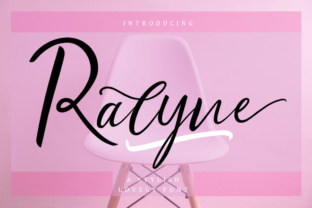
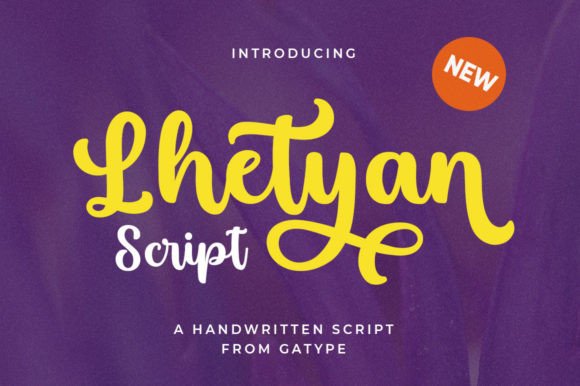
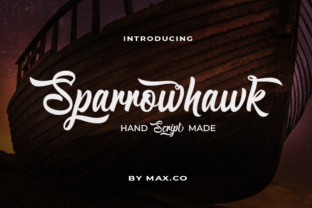
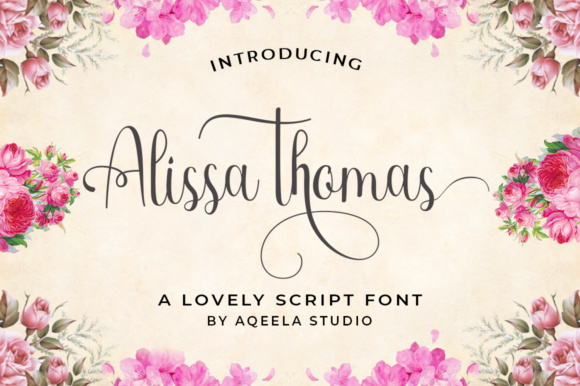
There’s a certain energy that comes from a truly handcrafted feel in design. It’s the warmth that cuts through the digital sterility, the personality that makes a brand feel human. This is precisely where Alissa Thomas Script finds its place. At its core, it is a modern calligraphy font, but that simple description doesn't quite capture its spirit. It’s more like a carefully choreographed dance of letters, each one flowing into the next with a natural, rhythmic grace that feels both spontaneous and intentional.
Forget the rigid, predictable lines of a standard serif font or the clean geometry of a sans serif font. Alissa Thomas Script lives in a more expressive space. Its letters don’t just sit statically; they dance along the baseline, connected by elegant, flowing strokes. This creates a sense of movement and life right on the page or screen. The overall appeal is one of sophistication without stuffiness, elegance with a touch of approachable charm. It’s a premium font that feels personal, making it a powerful tool for any designer looking to inject a sense of bespoke craftsmanship into their work.
Where the Script Truly Shines: Practical Applications
The real test of any typeface is how it performs in the wild. Alissa Thomas Script isn't just for looking at; it's for building with. Its strength lies in applications where personality, elegance, and a human touch are paramount. Think of it as a specialist tool in your design assets kit, one you reach for when you need to make a specific, powerful impression.
In brand identity and logo design, this font can be transformative. It’s an excellent choice for brands that want to convey luxury, artistry, or personal service. Imagine it for a boutique florist, a high-end wedding photographer, a custom stationery studio, or a artisanal skincare line. The script instantly communicates a level of care and attention to detail that aligns with those brand values. It becomes a core part of the visual story, making the brand instantly recognizable and memorable.
Beyond logos, its utility extends across the creative spectrum:
- Editorial and Publishing: Use it for chapter titles, pull quotes, or author names on book covers to add a literary, intimate quality.
- Packaging Design: On product labels for gourmet foods, craft beverages, or cosmetics, it lends an air of artisanal quality and premium value.
- Digital Presence: While best used sparingly for web design due to readability at small sizes, it’s perfect for hero banners, special announcement graphics, or email headers to draw the eye.
- Social Media Graphics: It cuts through the noise on platforms like Instagram. Use it for quotes, sale announcements, or thank-you messages to create visually cohesive and engaging content.
- Print Collateral: From wedding invitations and event programs to business cards and thank-you notes, it adds a personal, elegant touch that standard fonts can’t match.
The Designer's Guide: Working with Alissa Thomas Script
Choosing a creative font like Alissa Thomas Script is just the first step. Using it effectively requires a bit of strategic thinking. Its expressive nature means it won’t work everywhere, and that’s okay. The key is understanding its strengths and pairing it thoughtfully.
First, consider its primary role. This is a display font, a script font, and a handwritten font at heart. It’s built for headlines, titles, and short bursts of impactful text—not for body copy. Trying to set a long paragraph in it will frustrate readers and undermine its elegance. Instead, use it to create a strong visual hierarchy. Let it command attention at the top, then pair it with a clean, highly legible font pairing partner for your supporting text. A simple sans serif like Montserrat or a classic serif like Lora often creates a beautiful, balanced contrast.
Before committing, always test the font in context. View it at the actual size it will be used. Check the spacing and the flow between specific letter combinations—certain connections might need manual kerning in professional design software to look perfect. Also, review what’s included in the package. Many premium fonts offer stylistic alternates, ligatures, and swashes. These extras can be invaluable for customizing the look and avoiding repetition, especially if you’re using the font for multiple words in a logo or header.
Finally, a crucial but often overlooked detail: licensing. If you’re using Alissa Thomas Script for a client project, a product for sale, or any commercial venture, ensure you have the correct commercial font license. Respecting the typographer’s work by securing the proper rights is non-negotiable for professional integrity and avoiding legal issues down the line. It’s a small step that protects both you and your client.
A Final Thought on Cohesion and Professionalism
The ultimate goal of any design choice is to enhance brand perception, improve readability in the right context, and foster audience engagement. Alissa Thomas Script, when used with intention, excels at the first and third. It doesn’t just display words; it communicates an emotion and a standard of quality. By integrating it thoughtfully into your broader modern typography system, you create a cohesive visual language that feels both professional and deeply personal. It’s a tool that, in the right hands, can turn a simple design into something that truly resonates.