Beatrice Script: Adding a Genuine Handwritten Touch
There is a specific kind of tension in modern design between the need for digital precision and the desire for human connection. We often spend hours tweaking vector points to make a logo look "effortless," or we use filters to make a high-resolution photo look like it was taken with a vintage camera. In the world of typography, this desire for authenticity is where the Beatrice Script truly shines. It is not just another cursive typeface; it is a carefully crafted script font designed to bridge the gap between the digital screen and the tactile feel of a pen on paper. For designers, entrepreneurs, and creators looking to inject personality into their work without sacrificing legibility, this modern typography offers a compelling solution.
The Anatomy of a Modern Script
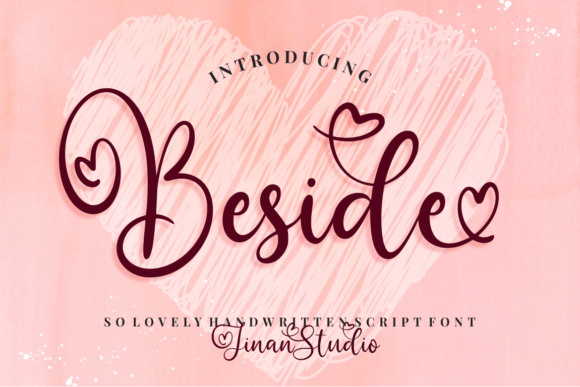
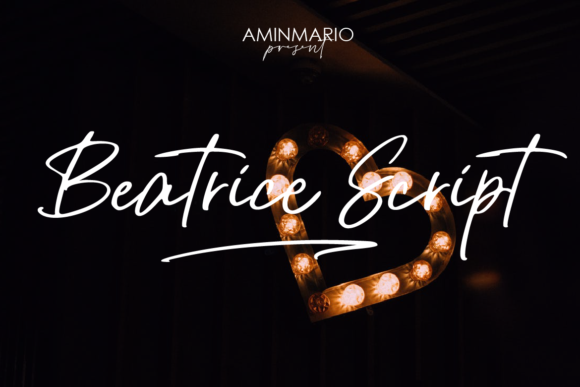
At first glance, Beatrice Script presents a series of elegant, flowing curves that mimic the natural movement of a hand. However, unlike many handwritten fonts that can appear messy or juvenile, Beatrice strikes a balance. It possesses the structure required for professional use while retaining the irregularities that make handwriting charming. The letterforms feature a rhythmic flow, with connections between characters that feel organic rather than forced. This is a premium font that understands the rules of typography well enough to break them tastefully.
When you look closer at the weight and texture, you’ll notice it handles thick and thin strokes with grace. This mimics the pressure changes of a calligrapher’s hand. It is this attention to detail that separates a standard typeface from a high-quality design asset. Whether you are working on a brand identity for a boutique bakery or designing a cover for a lifestyle magazine, the visual warmth of Beatrice Script immediately sets a tone. It whispers rather than shouts, inviting the viewer in with a sense of familiarity and comfort.
Real-World Applications: Beyond the Basics
The versatility of a creative font like Beatrice Script is often underestimated. It is easy to pigeonhole a script font into wedding invitations or greeting cards, but its utility extends far beyond that. In the realm of logo design, Beatrice works exceptionally well for brands that want to appear approachable, artisanal, or human-centric. Think about a coffee shop, a florist, a boutique clothing line, or a wellness coach. Using Beatrice for the primary wordmark can instantly communicate that the business is run by real people who care about their craft.
For those involved in packaging design, the font offers a distinct advantage. On a crowded shelf, consumers often scan labels quickly. A handwritten font like Beatrice breaks the visual monotony of standard sans serif fonts and blocky text. It can be used to highlight a specific product feature, such as "Handmade" or "Organic," drawing the eye to the most important selling point.
In the digital space, specifically web design and social media graphics, Beatrice Script adds a layer of authenticity that sterile, system-generated fonts lack. It is perfect for pull quotes on a blog, headers for email newsletters, or overlaying text on Instagram stories. It mimics the personal touch of a handwritten note, which can significantly boost engagement in a world of algorithmic content.
Strategic Font Pairing and Hierarchy
One of the most critical aspects of using a strong display typeface is knowing how to pair it. Beatrice Script has a lot of personality, which means it needs a partner that can play a supporting role without competing for attention. As a general rule in modern typography, you want contrast. Because Beatrice is organic and flowing, it pairs beautifully with clean, geometric sans serif fonts.
Imagine a website header using Beatrice Script for the main title, creating a focal point that feels personal. Below that, you use a clean, light sans serif for the body copy to ensure maximum readability. This combination creates a clear visual hierarchy. The script font draws the eye (the "hook"), while the sans serif delivers the detailed information efficiently. Alternatively, pairing it with a sturdy, transitional serif font can create a more traditional, editorial look, perfect for editorial design or book covers.
It is also important to consider the spacing. Script fonts generally require careful kerning, especially in digital environments. When implementing Beatrice Script, ensure there is enough breathing room between lines (leading) so the ascenders and descenders of the letters don't clash. This attention to spacing maintains the professional polish required for high-end commercial fonts.
Evaluating Fit and Licensing
Before committing to any typeface for a project, a practical evaluation is necessary. Does the font support the language you need? Does it include the special characters and ligatures required for your specific text? Beatrice Script is designed to be robust, but testing it with your actual content is always recommended. Type out your brand name or your key headlines. Look at how specific letter combinations interact. Does the flow feel natural, or does it look forced?
For businesses and freelancers, the legal aspect of typography cannot be ignored. Using a commercial font correctly means understanding the license. Whether you are purchasing a license for a single user, a whole team, or for an app embedding, ensure you are compliant. Using a premium font legally protects your brand identity from future legal headaches and ensures the designers who created the work are compensated for their skill.
Final Thoughts on Design Assets
Typography is often the silent ambassador of a brand. While stock photos and color palettes change with trends, a well-chosen typeface can endure. Beatrice Script offers a way to humanize digital communication. It brings the warmth of the human hand into the cold precision of code and pixels. For the entrepreneur building a lifestyle brand, the designer crafting a magazine layout, or the hobbyist creating personalized gifts, this font provides a reliable, stylish, and expressive tool. It reminds us that even in a digital-first world, the most effective communication still feels human.