Exploring the Elegance of Diantha Script for Modern Designers
When you are building a visual identity, the choice of typeface does more than just display words; it sets the emotional tone for the entire interaction. In a landscape crowded with heavy sans serifs and rigid geometric fonts, Diantha Script offers a refreshing alternative that balances fluidity with structure. This is not your grandmother’s cursive, nor is it a chaotic, scratchy handwritten font. It sits in a unique middle ground, providing a sophisticated, modern typography experience that feels personal yet polished. For designers, entrepreneurs, and content creators, understanding how to leverage this specific aesthetic can be the difference between a project that feels generic and one that truly connects with an audience.
The Visual Character: More Than Just Loops and Swashes
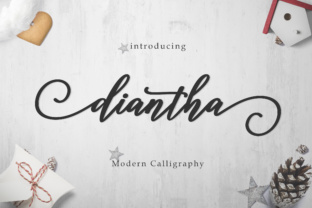
At its core, Diantha Script is a premium font designed to mimic the natural flow of hand-lettering while maintaining the consistency required for professional applications. The visual characteristics are defined by smooth connections between letters and a balanced baseline, which prevents the text from looking like it is "bouncing" across the page—a common issue with lower-quality script fonts. The strokes have a subtle contrast that adds depth, making it legible even at smaller sizes where other script typefaces might turn into a blob of ink.
The personality of the font is undeniably romantic and elegant, but it avoids being overly formal. It strikes a chord that resonates with modern sensibilities. Think of it as the typography equivalent of a well-tailored outfit that is appropriate for both a gallery opening and a casual dinner. It feels bespoke. The terminals (the ends of the letters) often feature gentle flourishes that can be controlled or removed depending on the software you are using, allowing for a cleaner look if the design demands it.
Where Diantha Script Truly Shines
Understanding the strengths of a typeface is key to effective brand strategy. Diantha Script is incredibly versatile, but it excels in specific environments where personality and human touch are paramount.
- Logo Design and Brand Identity: For brands looking to position themselves as approachable, high-end, or artisanal, this font is a strong contender. It works beautifully for coffee shops, wedding planners, boutique clothing lines, and independent consultancies. When used as a primary logo mark, it immediately communicates care and attention to detail.
- Packaging Design: On physical products, texture matters, and so does typography. Diantha Script adds a tactile quality to packaging. Imagine it on a label for organic skincare, a craft beer bottle, or a luxury candle. It elevates the perceived value of the product, suggesting that what is inside is just as refined as the exterior.
- Editorial Design and Publishing: While it is not intended for body copy in a novel, it is perfect for magazine headers, pull quotes, and chapter titles. In editorial design, it breaks up the monotony of dense text blocks, providing visual breathing room and drawing the reader's eye to key sections.
- Digital and Social Media Graphics: In the fast-scrolling world of Instagram and Pinterest, static images need to pop. This font is excellent for creating impactful social media graphics, particularly for quotes, announcements, and sale headers. It renders well on screens, maintaining its charm without pixelating, which is a crucial factor for web design assets.
- Stationery and Invitations: This is perhaps its most natural habitat. Wedding invitations, greeting cards, and business stationery benefit immensely from the warmth of a script font. It makes digital communication feel more like a handwritten note.
Strategic Application: Hierarchy and Pairing
One of the most common mistakes in graphic design is using a script font for everything. Diantha Script is a display font, meaning it is designed to be used at larger sizes for headlines and titles. If you try to write a full paragraph with it, you will compromise readability, which frustrates the user and damages the brand experience.
The real power of Diantha Script lies in font pairing. To create a robust visual hierarchy, you need contrast. Because Diantha has an organic, flowing nature, it pairs exceptionally well with clean, geometric sans serif fonts or classic serif fonts.
For example, if you are designing a website for a lifestyle blogger, you might use Diantha Script for the main blog post title to inject personality. Then, use a clean sans serif like Montserrat or Lato for the subheadings and body text. This contrast ensures that the design is both beautiful and functional. The script font draws the eye in (the hook), while the sans serif delivers the information (the meat). This balance is critical in modern typography; it prevents the design from feeling cluttered or amateurish.
Evaluating Fit and Licensing
Before integrating any creative font into a workflow, practical considerations must be addressed. Diantha Script is a commercial font, which means it usually comes with specific licensing tiers. If you are a freelancer creating a logo for a client, you typically need to ensure the license covers commercial use. If you are a large enterprise rolling out a global campaign, an extended license might be necessary. Always read the EULA (End User License Agreement) to avoid legal headaches down the road.
When evaluating if this typeface is the right fit for your project, consider the "voice" of your content. Does your brand speak with authority and tradition? Or does it speak with empathy and creativity? Diantha Script leans heavily toward the latter. It is perfect for a yoga instructor, a florist, or a jewelry maker. It might be less appropriate for a corporate law firm or a heavy machinery manufacturer, where the visual language needs to convey rigid stability and tradition.
Practical Tips for Implementation
- Check the Glyphs: Open the Glyphs panel in Adobe Illustrator or Photoshop. High-quality fonts like Diantha often include stylistic alternates. You might find that the standard lowercase 'g' looks great, but an alternate version fits the flow of your specific word better.
- Manage Letter Spacing: Script fonts rarely need negative tracking (squishing letters together), as they are designed to connect. However, you may need to adjust the spacing between specific pairs of letters (kerning) to ensure the connections look natural and don't create awkward gaps.
- Color Contrast: Because script fonts have thinner strokes than bold sans serifs, ensure there is high contrast between the text color and the background. Light grey text on a white background might look "elegant" in theory, but if it fails accessibility standards, it fails as a design.
- Size Matters: Test the font at the size it will actually be viewed. A font that looks like a beautiful signature on a 27-inch monitor might look like a scribble on a mobile screen. Ensure your responsive web design accounts for this by potentially swapping the font for a simpler display font on mobile devices.
Ultimately, Diantha Script is a tool for connection. In a digital world that can often feel cold and algorithmic, using a typeface that mimics the human hand is a powerful way to bridge the gap between a brand and its audience. It reminds us that behind every business, blog, or design project, there are people. By choosing this font, you are choosing to present your work with warmth, elegance, and a distinct sense of modern style. Whether you are crafting a wedding invitation or launching a new product line, it provides the visual language needed to make your message not just seen, but felt.