Glass Script: Crafting Elegance for Modern Design
Understanding the Essence of Glass Script
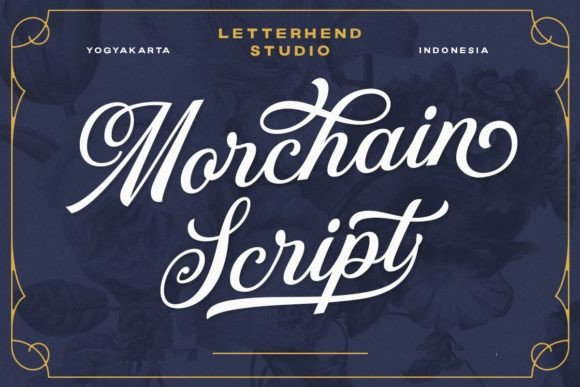
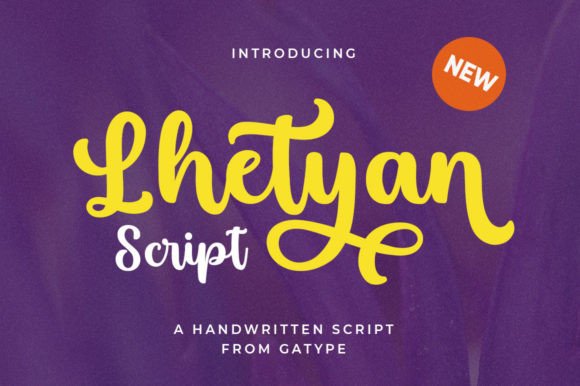
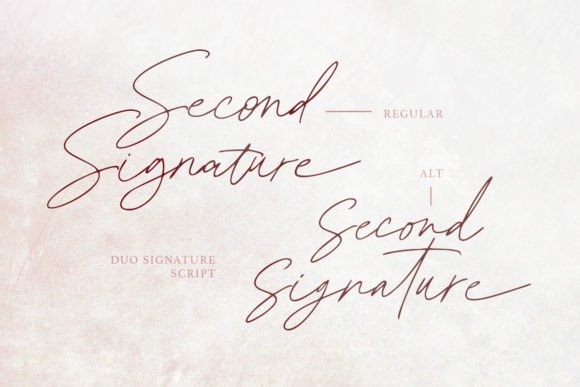
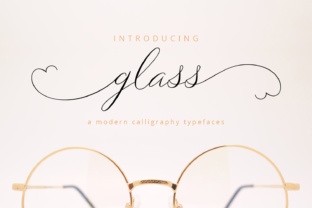
When you first encounter Glass Script, the immediate impression is one of refined sophistication. This isn't just another script font; it's a carefully crafted typeface that balances classic calligraphic traditions with a distinctly modern sensibility. The design features flowing, connected letterforms with elegant swashes that add a touch of luxury without feeling overdone. What makes Glass Script stand out in a crowded market of script fonts is its remarkable versatility. It maintains a beautiful consistency in its stroke weight, ensuring that whether it's used at large display sizes or in smaller applications, the character and charm remain intact. The overall personality of the typeface is one of graceful confidence—approachable yet undeniably premium.
The visual characteristics are what truly define its appeal. You'll notice the smooth, almost liquid transitions between letters, creating a sense of effortless movement. The swashes are particularly well-designed; they extend gracefully from certain letters, adding flair and a custom, hand-lettered feel. Unlike some overly ornate scripts that sacrifice readability for style, Glass Script maintains excellent legibility. The x-height is generous, and the letter spacing is carefully considered, making it a practical choice for projects where both beauty and clarity are paramount. It embodies a modern typography approach where form follows function, even in its most decorative moments.
Where Glass Script Truly Shines: Practical Applications
Identifying the right context for a font is half the design battle. Glass Script finds its home in projects that demand a personal, elegant, and celebratory tone. Its inherent style makes it a natural fit for the world of events and personal milestones. Think wedding invitations, save-the-date cards, and reception menus. Here, the font does more than convey information; it sets the emotional tone. Paired with a clean serif font or a simple sans-serif for body text, it creates a beautiful visual hierarchy that guides the guest's eye from the headline to the details.
Beyond personal celebrations, this creative font has significant applications in branding and marketing. For businesses in the luxury, lifestyle, or artisanal space, Glass Script can become a cornerstone of brand identity. It works exceptionally well for logos, particularly for boutique hotels, upscale bakeries, jewelry designers, or wellness brands. In packaging design, it can elevate the perception of a product, suggesting care, quality, and attention to detail. Imagine it on a candle label, a cosmetic box, or the branding for a small-batch roaster. The font communicates value before the customer even reads the copy.
In the digital realm, its use requires a bit more strategic thought. As a display font, it's perfect for website headers, hero sections, and call-to-action buttons where you want to make an immediate emotional impact. For social media graphics, Glass Script is a powerful tool for creating eye-catching quotes, announcements, and promotional posts that stand out in a fast-scrolling feed. However, it's crucial to avoid using it for long paragraphs of body copy on screens. Its decorative nature, while beautiful, can reduce readability in dense text blocks. The key is to use it as a headline or accent font, pairing it with a highly legible serif or sans-serif font for the supporting text.
Integrating Glass Script: A Designer's Practical Guide
Choosing a font like Glass Script is the first step; integrating it effectively is where the real work begins. The most successful applications involve thoughtful font pairing. Because Glass Script is a display font with a strong personality, it needs a partner that complements rather than competes. A classic approach is to pair it with a sturdy, neutral serif font like Garamond or Times New Roman for a traditional, elegant feel. For a more contemporary look, try pairing it with a geometric sans-serif such as Montserrat or Lato. The contrast between the fluid script and the clean, structured sans-serif creates dynamic visual interest and ensures the hierarchy is clear.
Before committing to a project, always test the font in context. View Glass Script at the actual size it will be used, whether on a business card or a website banner. Check the legibility of specific words and letter combinations relevant to your project. Does the swash on the 't' interfere with the following letter? Does the connection between the 'o' and 'w' look smooth? Paying attention to these details in the design phase prevents headaches later. Also, review the font's full character set and included styles. Many premium fonts like this include alternates, ligatures, and additional swash options. Exploring these can add unique, custom touches to your designs and help you avoid repetitive letterforms.
Finally, understanding the licensing is non-negotiable for commercial work. Glass Script is a commercial font, and its license dictates how it can be used. If you're a designer creating a logo for a client, a business owner using it on your website, or a publisher incorporating it into a book cover, you need to ensure your license covers that specific use case. Always purchase the appropriate license—whether it's a desktop license for print, a webfont license for digital use, or an extended license for merchandise. This not only ensures legal compliance but also supports the type designers who create these valuable design assets. When used thoughtfully and legally, Glass Script becomes more than just a font; it becomes a strategic tool for building a memorable and professional visual presence.