Hadfield Script: A Modern Calligraphic Font for Your Projects
Finding a script font that feels both personal and polished is a common challenge. Many handwritten fonts lean too casual, appearing messy or unprofessional. Others are overly formal, losing that human touch. Hadfield Script strikes a compelling balance. It’s a modern calligraphic typeface that delivers authentic personality without sacrificing clarity or versatility. This isn't just another decorative font; it's a practical design asset for creators who need their work to communicate warmth, elegance, and intention.
Understanding the Visual Character of Hadfield Script
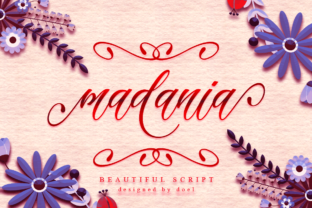
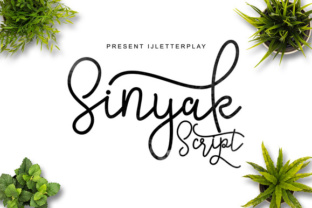
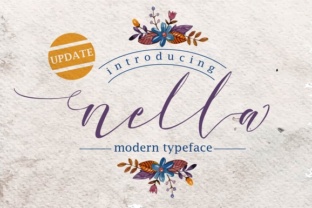
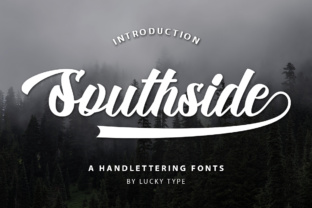
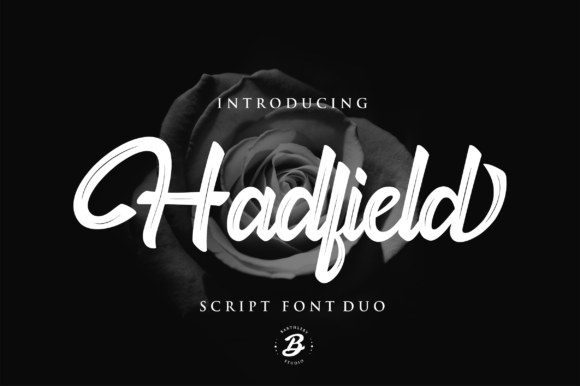
At its core, Hadfield Script is a fluid, connected script font. Its letterforms are inspired by contemporary calligraphy, featuring smooth, flowing strokes and a natural, slightly irregular baseline that mimics the rhythm of hand-lettering. The overall effect is sophisticated yet approachable. It avoids the overly swirly or ornate flourishes that can date a font, opting instead for clean, confident lines.
The typeface comes in two essential variations: Regular and Strip. The Regular weight is your workhorse. It has enough presence for headlines and logos but remains highly legible in short blocks of text. The Strip variation is a more minimalist take, with thinner, more delicate strokes. This makes it ideal for adding a subtle, elegant touch to designs where you don't want the font to dominate, such as in watermarks, subheadings, or on delicate product labels. Together, these two styles give you a cohesive toolkit for building visual hierarchy within a single font family.
Where Hadfield Script Truly Shines
The real test of any creative font is its application. Hadfield Script’s versatility makes it a strong candidate for a wide range of projects, both digital and print.
For branding and logo design, it excels at creating an immediate sense of personality. A bakery, boutique, wedding photographer, or artisanal brand can use Hadfield Script to craft a logo that feels handcrafted and trustworthy. It communicates care and attention to detail. Paired with a clean sans serif font for body text, it creates a beautiful contrast that defines a brand’s visual language.
In the realm of social media graphics and web design, this font cuts through the noise. It’s perfect for Instagram quotes, Facebook headers, Pinterest pins, and website hero sections where you need to grab attention quickly. Its modern style feels current and engaging, helping to boost audience interaction and shareability.
Publishers and bloggers will find it invaluable for editorial design. Use it for chapter titles, pull quotes, or section headings in magazines, e-books, or blog graphics to add a layer of visual interest and sophistication. For packaging design and product labels, Hadfield Script adds a premium, artisanal feel. Think coffee bags, candle labels, skincare bottles, or boutique gift tags. The Strip variation is particularly useful here for smaller text elements that require elegance without overwhelming the product information.
Practical Guidance for Using Hadfield Script Effectively
Adopting a new premium font requires more than just liking its look. Here’s how to integrate Hadfield Script into your workflow thoughtfully.
Evaluate the Project Fit. First, consider your audience and message. Hadfield Script works best for projects aiming to convey warmth, creativity, elegance, or approachability. It might not be the right choice for a corporate law firm or a tech startup seeking a ultra-modern, geometric aesthetic. For those contexts, a strong serif font or a geometric sans serif font would be more appropriate.
Master Font Pairing. The key to using any script font successfully is pairing. Hadfield Script, with its strong personality, needs a grounded partner. A classic approach is to pair it with a highly legible, neutral sans serif font like Montserrat, Open Sans, or Lato. This creates clear hierarchy and ensures your body text remains easy to read. For a more traditional or editorial feel, it can also pair well with a transitional serif font like Georgia or Garamond. Always test pairings in context—what looks good on a font specimen page may behave differently in your actual design layout.
Leverage the Included Styles. Don’t overlook the Strip variation. It’s not just a thinner version; it’s a tool for subtlety. Use it for captions, fine print, or delicate accents where the Regular weight might feel too heavy. This allows you to maintain the same stylistic voice across all elements of a design, from the boldest headline to the smallest detail, strengthening overall brand identity consistency.
Prioritize Readability. No matter how beautiful a font is, it fails if people can’t read it. Hadfield Script is designed for clarity, but best practices still apply. Avoid using it for long paragraphs of text. It’s a display font, meant for headlines, titles, and short phrases. Ensure sufficient contrast between the text and background color. For digital use, test it at various sizes on different screens to confirm it remains legible on mobile devices.
Understand the License. As a commercial font, Hadfield Script comes with a license that dictates how you can use it. Before purchasing, review the terms carefully. Most licenses for fonts like this cover a wide range of uses—including logos, merchandise, and digital ads—but may have restrictions on embedding in software or using in certain on-demand services. Knowing the license upfront protects you and ensures you’re using the font correctly for your specific project, whether it’s for a personal craft or a client’s brand identity system.
In a landscape saturated with generic typography, choosing a font like Hadfield Script is a strategic decision. It’s a tool that can elevate your design from merely functional to genuinely resonant, helping you connect with your audience on a more human level. By understanding its character and applying it with intention, you can harness its modern elegance to make your projects stand out.