Quillotha Script: Crafting Authentic Brand Stories
In a digital landscape saturated with standardized, geometric sans serif fonts, finding a typeface that feels genuinely human can be a challenge. We often encounter fonts that look handwritten but lack the nuance of actual pen on paper. This is where the Quillotha Script enters the conversation. It is not merely a font; it is a carefully digitized artifact of traditional craftsmanship. For designers, entrepreneurs, and creators looking to inject warmth and authenticity into their work, understanding the specific character of Quillotha Script is essential. It represents a bridge between the imperfect beauty of hand lettering and the scalability required for modern design projects.
The Anatomy of Authenticity: Visual Style and Personality
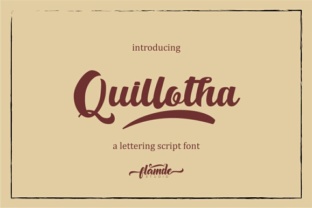
When we look at the Quillotha Script, the first thing that strikes us is its organic flow. Unlike many automated script fonts that simply connect pre-made letters, Quillotha has been crafted and digitalized with a focus on natural movement. It possesses the irregularity of a true handwritten font, where the strokes vary in weight and angle, mimicking the pressure of a real hand. This characteristic is vital for creating a brand identity that feels approachable rather than sterile. The visual personality of this typeface is elegant yet accessible, making it a versatile premium font choice for projects that need to convey trust and creativity simultaneously.
The overall appeal lies in its balance. It is not so loose that it becomes illegible, nor is it so rigid that it loses its charm. This makes Quillotha Script an excellent display font. It commands attention when used for headlines or logos because it offers a visual texture that standard block letters simply cannot replicate. For those working on logo design, this typeface provides a distinct voice that helps a brand stand out in a crowded market.
Strategic Applications: Where Quillotha Shines
Choosing the right typeface is less about following trends and more about solving communication problems. Quillotha Script works best in scenarios where emotional connection is the primary goal. In editorial design, for example, it can transform a standard magazine cover into an artistic statement. It adds a layer of sophistication to headers and pull quotes, drawing the reader's eye without overwhelming the layout. When used in packaging design, it signals that the product inside is artisanal or carefully curated, making it ideal for cosmetics, gourmet foods, or boutique goods.
Beyond print, the utility of this creative font extends heavily into the digital realm. In web design, a script font like Quillotha is best reserved for specific elements rather than body text. It serves as a powerful tool for creating contrast. Imagine a clean, minimalist website layout using a geometric sans serif for navigation. By introducing Quillotha Script for the hero text or call-to-action headers, you immediately break the monotony and guide the user’s attention. Similarly, for social media graphics, where grabbing attention within a split second is crucial, this font offers the visual impact needed to stop the scroll.
Technical Considerations: Readability and Hierarchy
As experienced designers know, the beauty of a font is irrelevant if the message cannot be read. Readability is the cornerstone of effective typography. While Quillotha Script is a handmade lettering script, it has been optimized to ensure clarity. However, its application requires strategic thinking. It is not designed for long paragraphs of body copy; for that, you need a sturdy serif font or a legible sans serif font. Instead, Quillotha excels at establishing the top of the visual hierarchy.
Using Quillotha for sub-headers or accent text allows you to build a hierarchy that guides the reader from the most important emotional hook (the script) to the detailed information (the body text). This interplay between font styles is known as font pairing. A strong pairing enhances brand perception. For instance, pairing Quillotha Script with a clean, geometric sans serif like Montserrat or a classic serif like Garamond creates a professional yet personal aesthetic. This consistency across your design assets reinforces professionalism and aids in brand recognition.
Practical Integration: Licensing and Usage Tips
For entrepreneurs and small business owners, investing in a commercial font is an investment in their brand's future. Quillotha Script is a premium font, which usually implies a level of quality control and support not found in free alternatives. Before purchasing, it is always prudent to review the licensing terms to ensure they cover your intended use, whether for web design, print merchandise, or digital products.
When integrating this modern typography asset into your workflow, take the time to explore the included styles. Many high-quality scripts come with alternate characters or ligatures that allow you to customize the look further, ensuring your design doesn't look like a template. Test the font in context. Mock up your logo design or social media graphics and view them at different sizes. Does it hold up on a mobile screen? Does it print clearly on textured paper? By answering these questions, you ensure that Quillotha Script becomes a reliable tool in your creative arsenal, capable of elevating your work from standard to exceptional.