Why Hillpark Script Might Be Your Next Design Secret Weapon
Finding a typeface that feels both personal and professional is a genuine challenge. Many script fonts lean too casual, risking a childish or overly whimsical appearance that undermines serious branding. Others are so stiff they lose all the charm that makes a handwritten style appealing in the first place. Hillpark Script navigates this tricky middle ground with surprising grace. It’s a bold, expressive handwritten font that carries the energy of a confident brushstroke, yet its letterforms are crafted with enough discipline to remain legible and versatile. This isn't a font that tries to mimic a child’s scrawl or a hurried note. It feels intentional, like the penmanship of a skilled letterer who understands weight, flow, and rhythm.
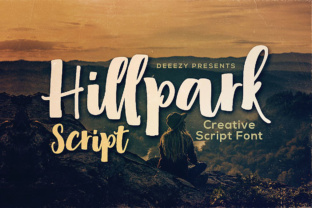
The visual character of Hillpark Script lies in its dynamic contrast. Thick strokes command attention, while thinner connecting lines provide fluidity and movement. There’s a subtle bounce and irregularity that injects personality, preventing it from feeling sterile or mechanically perfect. This organic quality is what gives it life on the page or screen. The overall appeal is one of confident creativity. It suggests a brand or project that is approachable yet assured, creative yet structured. For designers, entrepreneurs, and content creators, this balance is invaluable. It allows you to project a human touch without sacrificing the polish required for commercial viability. Think of it as the typographic equivalent of a well-worn leather jacket—effortlessly stylish and built to last.
Where This Creative Font Truly Shines
Understanding where a font performs best is about matching its personality to the project's demands. Hillpark Script isn't a universal workhorse like a standard serif or sans serif font; it’s a specialty tool for adding a distinct voice. Its strengths become most apparent in projects where headline impact and brand personality are paramount. In logo design, for instance, it can form the entire logotype or be used as a complementary accent to a cleaner sans serif, instantly adding warmth and character. For entrepreneurs building a brand identity, using Hillpark Script on key touchpoints like packaging design, business cards, or website headers can create an immediate emotional connection with the audience.
The font’s bold nature makes it exceptionally effective for short, high-impact text. Consider its application in social media graphics, where a single, powerful word or phrase needs to stop the scroll. It’s perfect for call-to-action buttons, sale announcements, or inspirational quotes that demand attention. In editorial design, it can elevate chapter titles, pull quotes, or magazine headers, injecting energy into layouts that might otherwise feel flat. For bloggers and publishers, it’s a fantastic tool for creating featured image text or sub-headings that guide the reader’s eye. Even in personal projects, like wedding invitations or event signage, its blend of elegance and boldness ensures messages are both beautiful and readable from a distance.
However, practical application requires restraint. Using Hillpark Script for body text or long paragraphs would be a significant mistake, sacrificing readability for style. Its role is as a display font, meant for headlines, titles, and short bursts of text. The real magic happens when you pair it thoughtfully. Combining it with a clean, geometric sans serif for body copy creates a beautiful contrast that guides the visual hierarchy. The script font draws the eye to the key message, while the simpler typeface handles the supporting information with clarity. This font pairing strategy is fundamental to modern typography and is where Hillpark Script can become the star of your design assets.
Making an Informed Choice for Your Project
Choosing a premium font is an investment, so evaluating fit is critical. Start by testing Hillpark Script in the context of your actual content. Don’t just type “The quick brown fox”; use your real headlines, your brand name, your key tagline. Does the personality align with the message you want to convey? A law firm’s website might find it too playful, while a boutique coffee roaster or a creative agency would find it perfectly suited. Review the full character set and any included styles or ligatures. These extras are not just decorations; they are design assets that allow for more authentic, custom-looking letterforms. Check for stylistic alternates that let you swap out a letter for a different version to avoid repetitive shapes in a single word.
Readability is non-negotiable. Zoom out and view your text at a small size. Can you still distinguish the letters? Test it on different backgrounds—light, dark, textured, or photographic. A font’s performance can change dramatically depending on its environment. For digital projects, consider how it renders on various screens. For print, request or create a test print to see how the ink settles on the paper, especially with thicker strokes. Finally, understand the licensing. If you’re using this for a commercial font project—whether it’s a client’s logo, a product you sell, or marketing materials—you need to ensure the license covers that use. Most reputable foundries offer clear commercial font licenses, so verify that your intended use is permitted.
Ultimately, a typeface is more than just letters; it’s a tone of voice. Hillpark Script offers a voice that is bold, confident, and human. It’s a creative font that doesn’t just decorate a design; it helps tell a story. For the designer looking to add a signature touch, the entrepreneur building a memorable brand, or the marketer crafting a compelling campaign, it represents a powerful tool. Used thoughtfully and paired with complementary typefaces, it can elevate a project from ordinary to distinctive, fostering better audience engagement and stronger brand recognition. The key is to use it with purpose, allowing its unique personality to enhance your message rather than overwhelm it.